Original Article – DOI: 10.33594/000000873
CPB (60): 336 - 343
Accepted: 19.06.2026 - Published: 30.06.2026
Development of a Sensor for Monitoring Lysine Formation During Cocoa Bean Fermentation
bFacultad de Ciencias e Ingeniería. Universidad Estatal de Milagro (UNEMI). Ecuador,
cDepartamento de Procesos Químicos, Alimentos y Biotecnología. Facultad de Ingeniería y Ciencias Aplicadas. Universidad Técnica de Manabí. Portoviejo Ecuador,
dCarrera de Ingeniería Industrial. Facultad de Ingeniería y Ciencias Aplicadas. Universidad Técnica de Manabí. Portoviejo Ecuador,
eFacultad de Ciencias de la Salud. Universidad Técnica de Manabí. Portoviejo, Ecuador,
fDepartamento de Procesos Agroindustriales. Facultad de Agrociencias. Universidad Técnica de Manabì. Chone, Ecuador,
gUnidad Académica de Ciencias Agropecuarias. Facultad de Ciencias Agropecuarias. Universidad Católica de Cuenca. Campus la Troncal. Cañar, Ecuador,
hGrupo de Investigación: Seguridad Conservación e Innovación de Alimentos y Procesos. Facultad de Ingenieria y Ciencias Aplicadas. Universidad Técnica de Manabí. Portoviejo, Ecuador
Keywords
Abstract
Background/Aims: Cocoa bean fermentation is a critical step in chocolate production, requiring reliable quality control to verify proper fermentation. Because lysine is formed during fermentation and reflects the underlying biochemical changes, it may serve as a useful indicator of fermentation quality. This study aimed to develop and optimize an enzymatic sensor for the rapid determination of lysine during cocoa bean fermentation. Methods: An enzymatic sensor based on lysine-α-oxidase immobilized on a nylon membrane was developed and optimized. Sensor performance was evaluated by calibration, linearity, response time, and application to cocoa protein extracts obtained at different stages of spontaneous fermentation. Lysine concentrations were determined from oxygen consumption measurements. Results:The sensor exhibited a positive linear relationship between oxygen consumption and lysine concentration over the range of 0.3–1.5 mM (R² = 0.9995). The optimal response time was 5 s, and lysine concentrations were calculated from the slopes of the reaction rates. The immobilized enzymatic sensor enabled rapid and precise determination of lysine in cocoa protein extracts, demonstrating its suitability for monitoring fermentation progress. Conclusion: The developed lysine sensor provides a fast, precise, and environmentally friendly approach for monitoring cocoa bean fermentation with minimal reagent consumption. Its application represents a promising alternative for quality control in the chocolate industry and supports efficient assessment of fermentation through lysine quantification.
Introduction
Controlling the fermentation process for cocoa beans can determine the quality of the finished product. In rural areas, this can be done in various ways; for example, the beans can be covered in jute sacks or moved to temperature-controlled chambers where they are placed in wooden crates. The lack of an adequate process can lead to the development of astringent and bitter flavors, resulting in an economic loss of the raw material. This is no minor issue, considering that in 2020, 4, 000 tons of cocoa were consumed and processed worldwide (ICCO, 2020). Quality also depends on the formation of a greater quantity of amino acids; thus, when fermentation is more intense (high temperatures due to exothermic reactions), a higher amino acid content is observed (Tchouatcheu et al., 2019). The main reason for the increase in temperature during fermentation (close to 50°C) is due to the action of lactic acid and acetic acid bacteria, which convert ethanol into lactic acid and acetic acid, causing a drop in the pH value (4.5–5) (De Vuyst and Weckx, 2016). Therefore, monitoring this stage is essential for determining the nutritional quality of the cocoa bean. It has been reported that proteins account for between 10 and 15% of the dry weight of cocoa beans (Marseglia et al., 2014); however, there are no references regarding the increase and decrease in lysine during the different stages of spontaneous fermentation. This amino acid is considered essential due to its role in protein synthesis and is the major component of proteins; therefore, adequate amounts must be included in the diet to achieve the necessary balance. Due to its chemical nature (high reactivity), it degrades, reducing its availability as it interacts with other molecules (Tomé, 2007). Thus, in addition to playing a role in protein formation, its importance stems from its role as a precursor to vital molecules such as carnitine (energy production); it strengthens the immune system, supports bone health (by increasing calcium absorption), and actively contributes to hormone formation, thereby promoting brain development (Fischer et al., 2009; Pandey et al., 2020; and Aggarwal et al., 2022). Due to its importance, the WHO (World Health Organization) has established lysine requirements for different population groups (Table 1). In the case of children, this is vital because protein quality can influence their linear growth; therefore, moderate consumption of cocoa derivatives could help address this issue. In this regard, monitoring lysine formation during cocoa bean fermentation could be useful for establishing the product’s nutritional quality, while simultaneously determining whether the fermentation stage was carried out correctly. The reaction that takes place in the sensor reactor results in oxygen consumption, forming alpha-ketoaminocaproic acid, hydrogen peroxide, and ammonia (eq 1).
L-Lysine + O₂ --(Lysine oxidase)--> α-Keto-aminocaproate + H₂O₂ + NH₃ (Eq. 1)
Fig. 1 illustrates the operating principle of the sensor. Unlike other methods based on different operating principles—such as the catalytic activity of lysine decarboxylase to form cadaverine and release CO₂; the fluorometric method, which involves the catalytic conversion of L-lysine by peroxidase to form a fluorescent product using ortho-phthalaldehyde (OPA), or the triple quadrupole tandem mass spectrometry method, which relies on selecting, fragmenting, and reselecting ions to achieve high specificity and sensitivity (Kim et al., 2015; Liang et al., 2026; Wang et al., 2023). The present method was based on the cumulative oxygen consumption during the reaction (eq. 1), which allowed for the rapid and low-cost estimation of the analyte of interest during a spontaneous fermentation process, making its use feasible in rural plantations due to its portability and the fact that it does not require highly qualified personnel to operate.
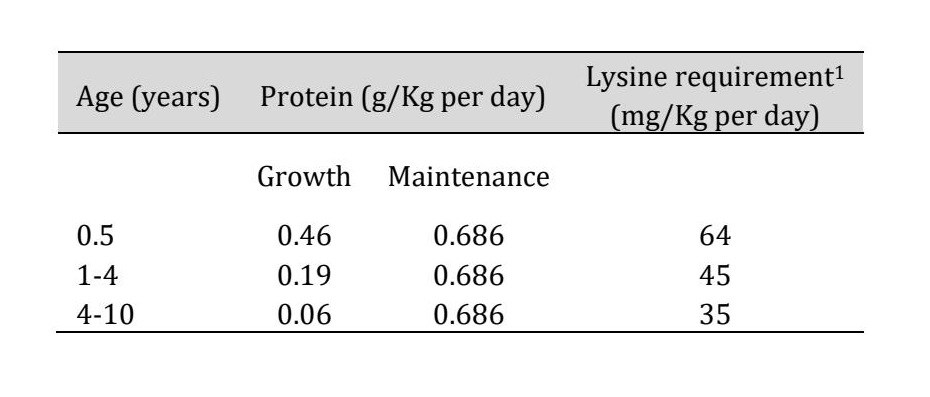
Table 1: The lysine requirement of infants and children. 1Sum of lysine requirements for maintenance and growth (tissue deposition adjusted for a dietary utilization efficiency of 58% multiplied by the tissue amino acid pattern)
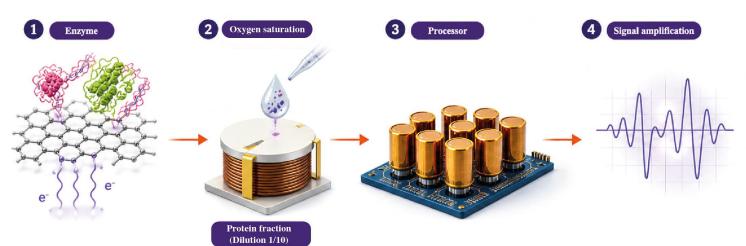
Fig. 1: Schematic representation of key principle of developing a biosensor.
Materials and Methods
Materials
Cocoa beans of the CCN-51 variety with different fermentation times (0, 2, 3, 4, 5, 6, and 7 days) were used; they came from a farm (Santa Ana, Ecuador) with a total of 1, 000 kg, where the fermentation was carried out. Analytical-grade reagents, the amino acid standard (lysine), the enzyme LacOx E.C.232-841-6 from Pediococcus sp., with each vial containing 2.9 mg of protein, L-lactate, glutaraldehyde (50%), L-(+) lactic acid, HPLC-grade sulfuric acid, OPA, mercaptopropionic acid, and flavin adenine dinucleotide were from Sigma (Sigma-Aldrich, St. Louis, MO, USA). The preactivated Immunodyne ABC membrane (Nylon 6, 6, pore size 0.45 µm) was supplied by Pall Europe (Portsmouth, UK). Sodium phosphate and anhydrous sodium acetate were from Panreac (Panreac Química, Barcelona, Spain). Bidistilled milli-Q water was used throughout.
Fermentation of the grain
The process for obtaining fermented grain consisted of waiting 2 days after harvest to separate the grains from the husk; this allowed for a pleasant color in the fermented grain, due to the action of polyphenol oxidase (PPO). Once the fruits were opened, the beans and pulp were placed in wooden boxes measuring 100x100x120 cm (350 kg capacity). After 24 hours of fermentation, the beans were mixed to aerate them. Fermentation was completed after 168 hours, at which point the mucilage covering the beans had been removed. The average temperature in the area is 24.5°C. Random samples were taken during fermentation and hermetically sealed until use in the laboratory.
Sensor Operation
The method used to operate the amperometric sensor was previously described by Vergara et al., 2026. The oxidation reaction (oxygen consumption, eq. 1) occurs at the platinum electrode. The equipment records the signal and then amplifies it to obtain a baseline free of background noise. The sensitivity was adjusted to reach 100% oxygen. The pre-operation process took approximately 30 s
Determination of Lysine by HPLC
To determine lysine in the protein extract of the fermented cocoa bean, derivatization had to be performed using o-phthalaldehyde (OPA). Using the injector, 1.5 microliters of the extract were automatically derivatized with RP-HPLC. One microliter of sample was mixed with 5 µL of OPA reagent (50 mg of OPA in 1 mL of ethanol with 50 µL of 2-mercaptopropionic acid, made up to 10 mL with pH 10.4 buffer). The column used was Hypersil C18 (3.0 × 150) mm, 45°C (Agilent Technologies, USA). For the gradients, 20 mM sodium acetate buffer, pH 7.1 (Solution A), and 100 mM sodium acetate buffer, pH 7.1/acetonitrile/methanol (20:40:40) (Solution B) were used. The excitation and emission wavelengths used for fluorescence were 230 and 455 nm.
Validation Tests
The linearity study was performed using a calibration curve; the study was conducted in triplicate using the ordinary least squares (OLS) regression method. The range studied was within the intervals 0.1: 0.5; 0.7; 1; 1.5 mM with the enzyme immobilized on a nylon membrane. Repeatability was tested using the equipment under identical conditions, on the same day, with the same sensor, which utilized a covalent bond (between LOx and the biopolymer). For this purpose, a 1 mM lysine primary standard was used, which was injected 25 times consecutively onto the membrane (previously adjusted to the sensor reactor). The cocoa sample (protein extract) was also used under the same conditions. The variation between measurements (coefficient of variation %) was calculated, and the stability of the free enzyme at 4°C was studied. The correlation and validation of the method were performed by analyzing the samples measured by both the sensor and HPLC, yielding an R²(coefficient of determination) greater than 0.99.
Variation in LOx Enzyme Activity During Storage
The stability of the enzyme on an immobilized surface (nylon membrane) was studied using the method described by Alvarez et al. (2025), with some modifications. Measurements were taken at 10-day intervals over a period of 320 days using an amperometric sensor electrode. One milliliter of buffer was added before each measurement to hydrate and activate the enzyme. The analyses were performed in triplicate to calculate the measured value.
Statistical Method
Statgraphics Plus (v5.1) software was used to determine the linear relationship as the concentration of the measured substrate increased upon reaction with the enzymatic solution. The statistical analysis utilized the coefficient of determination (R²) and the standard error (SE) to verify the linearity between the biosensor and the HPLC. Using the two-sample t-test (two-tailed), it was determined whether the results between the HPLC and the biosensor were statistically equivalent. The null hypothesis states that the population means are equal (H0: µsensor = µHPLC), while the alternative hypothesis states that the means are not equal (H0: µsensor ≠ µHPLC).
Results
Sensor Performance and Analytical Characteristics
The electrode potential was evaluated over a range of 0.1–0.7 mV. The optimal response, free from interference by the platinum reference electrode, was obtained at 0.5 mV with a response time of 5 s. The sensor employed lysine-α-oxidase (LOx) immobilized on a nylon membrane attached to the base of the reactor, allowing oxygen diffusion between the sample and the enzyme surface. During the enzymatic reaction (Eq. 1), oxygen consumption (mg O₂ × L⁻¹ × s⁻¹) was directly proportional to the lysine concentration in the protein extract, and this response was measurable within 5 s. The sensor exhibited a linear measurement range between 0.3 and 1.5 mM, with a coefficient of determination of R² = 0.9995. Calibration was performed in triplicate using lysine standards. Protein extracts required a 1:10 dilution to obtain measurable signals (Fig. 2). The variability of the measurements was low, with standard deviations of 2.85% for cocoa protein extracts and 3.72% for lysine standards, indicating acceptable analytical precision.
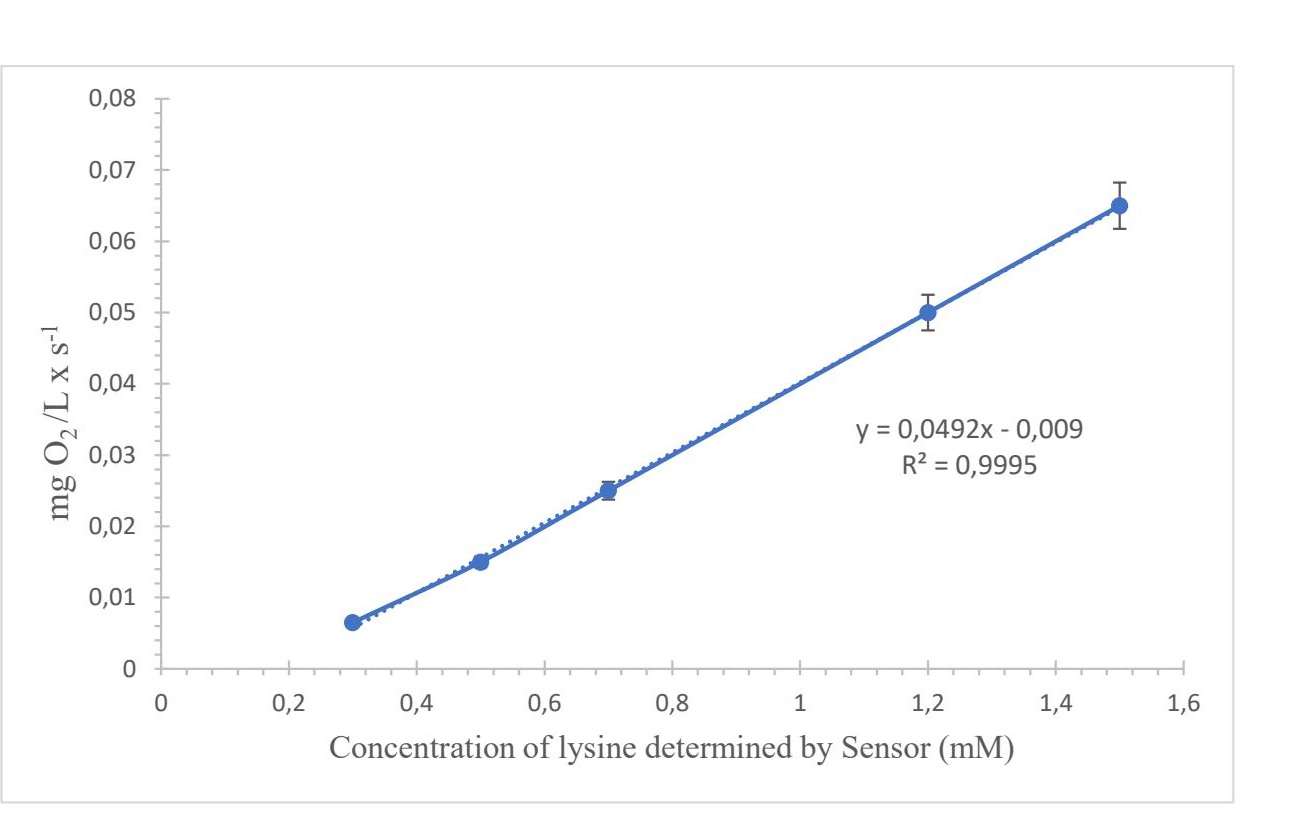
Fig. 2: Calibration curve obtained by the enzyme sensor with the immobilized enzyme (n=3).
Optimization of LOx Enzyme
Concentration Different LOx activities (8.0, 8.5, 9.0, 9.5, and 10 U) were evaluated to optimize sensor performance. The highest and most reproducible response was obtained using 9 U of enzyme, corresponding to a protein concentration of 0.015 mg/mL (Fig. 3).
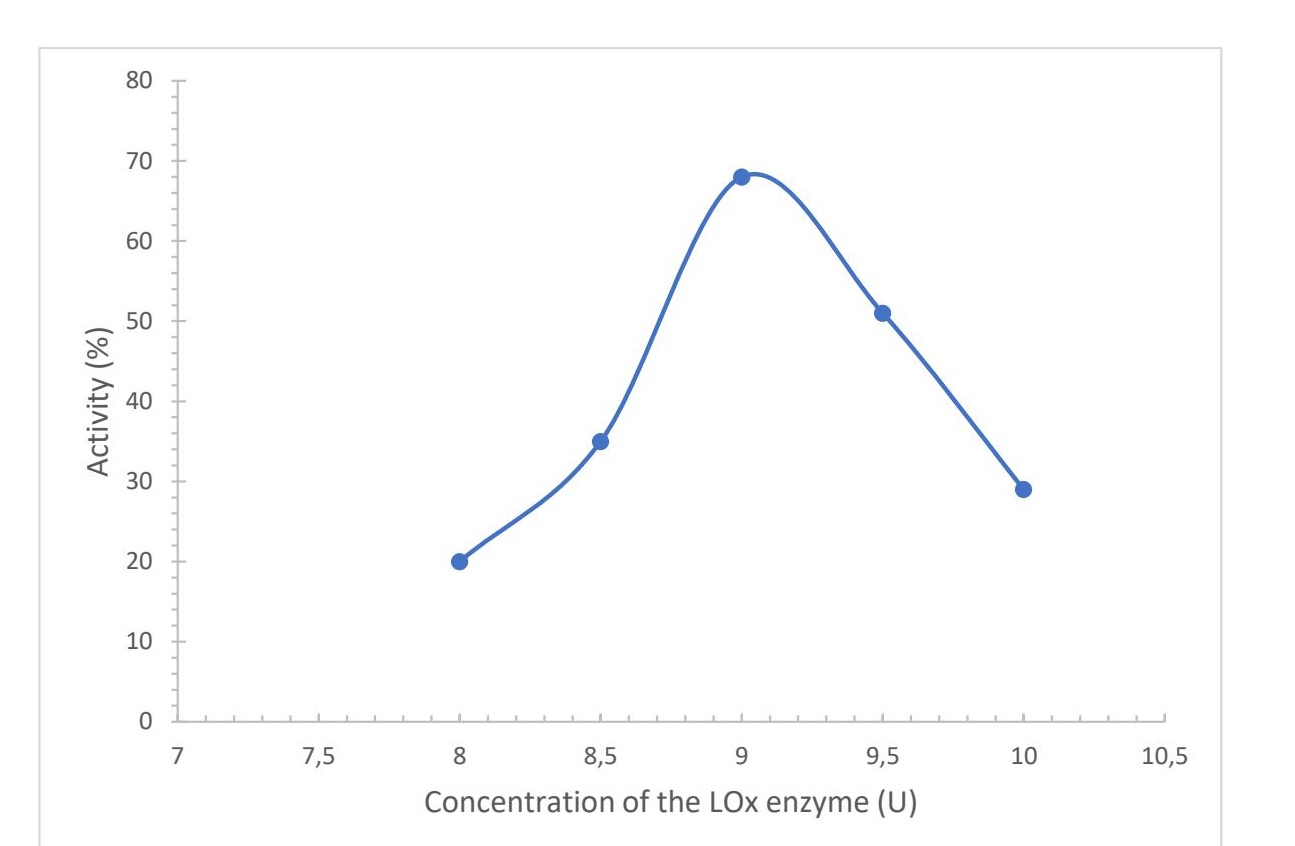
Fig. 3: Study of LOx enzyme activity as a function of protein concentration. The reaction temperature was 30°C. (n=3).
Biosensor Characterization
The influence of pH and temperature on sensor performance was evaluated. Maximum enzymatic activity was observed at pH 7.1 using a 50 mM phosphate buffer. The highest signal was obtained at 30°C within the temperature range of 20–35°C (data not shown). These conditions were selected for all subsequent analyses.
Lysine Quantification During
Cocoa Bean Fermentation Lysine concentrations were quantified throughout the seven stages of cocoa bean fermentation using both the developed biosensor and HPLC. The fermentation process lasted 168 h. Lysine concentrations increased progressively during fermentation and reached levels approximately 2.5-fold higher at the end of the process than at the beginning (Table 2). Linear regression analysis comparing lysine concentrations determined by both methods demonstrated a high correlation, with a slope close to unity and an intercept close to zero, indicating excellent agreement between the biosensor and HPLC.
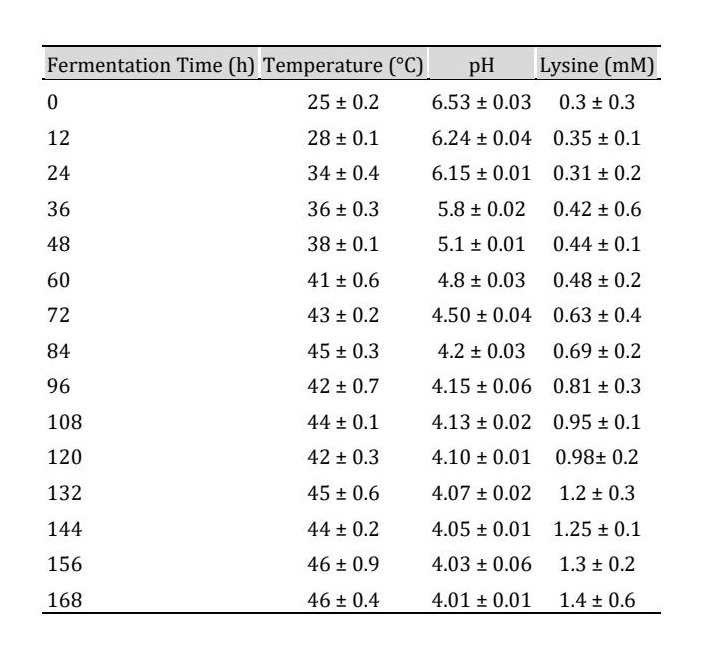
Table 2: Changes in lysine concentration during spontaneous fermentation at the Santa Ana cocoa farm in Manabí, Ecuador. n=3. Tests and analyses performed in triplicate.
Stability of the Immobilized Enzyme
The storage stability of the immobilized LOx enzyme was evaluated at 4°C using a 1 mM lysine standard. Before each analysis, the membrane was rehydrated with 0.5 mL of buffer solution. Under these conditions, the biosensor retained approximately 90% of its initial activity for up to 290 days and remained functional for approximately 320 days (Fig. 4).
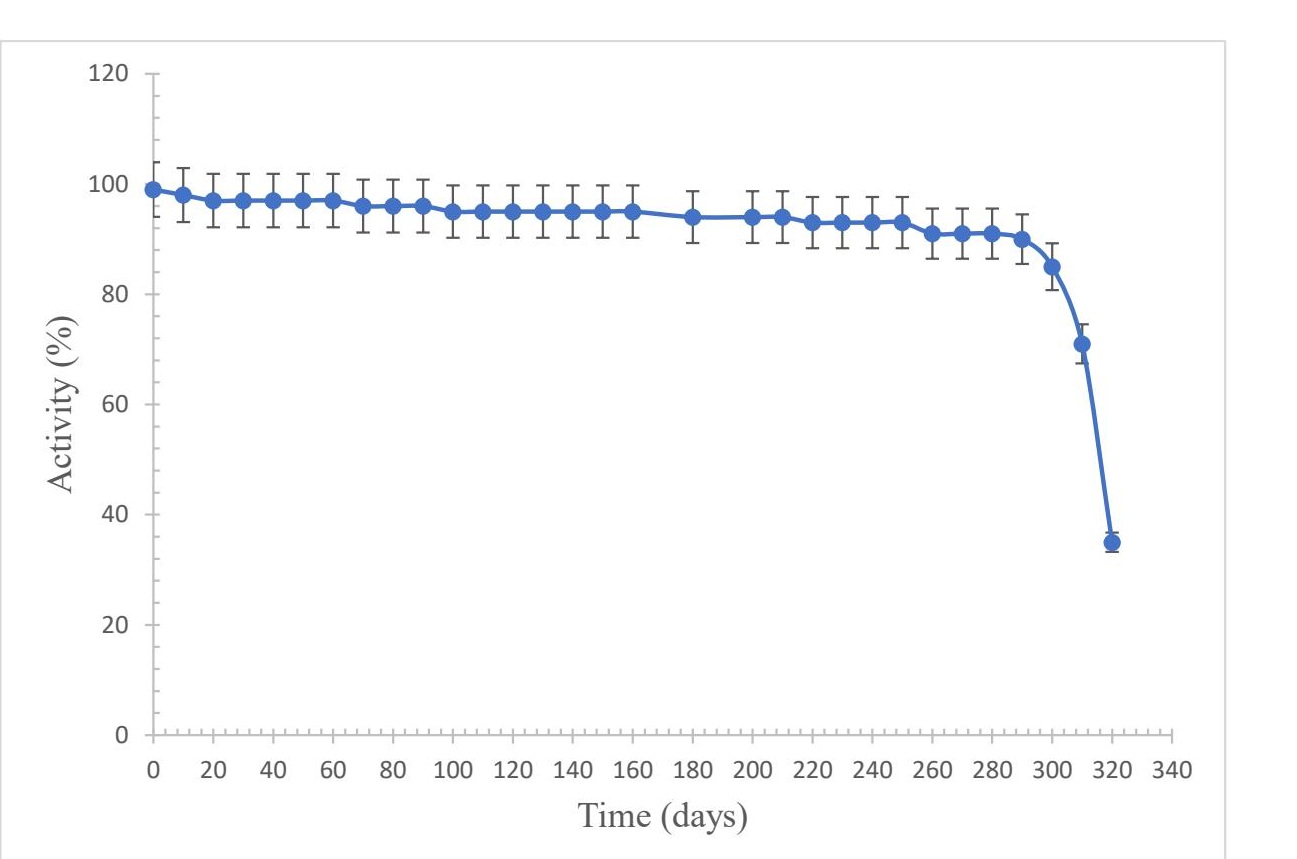
Fig. 4: Stability of lysine alpha oxidase immobilized stored in refrigeration a 4°C. n=3.
Discussion
The developed biosensor enabled rapid lysine determination within only 5 s while requiring minimal sample preparation and low reagent consumption. Compared with conventional analytical techniques such as liquid chromatography coupled with tandem mass spectrometry, the method substantially reduced analysis time while maintaining high specificity, selectivity, and precision (Troise et al., 2015). However, background noise and a detection limit inferior to that of HPLC remain limitations of the current sensor. Optimization experiments demonstrated that an enzyme loading of 9 U, together with an operating pH of 7.1 and a temperature of 30°C, provided the most reproducible analytical performance. These findings highlight the importance of optimizing immobilization conditions to maximize biosensor sensitivity and stability. The observed increase in lysine concentration throughout fermentation reflects the biochemical changes that occur during cocoa bean processing. Acidification and elevated temperatures activate endogenous proteolytic enzymes as well as microbial enzymes, including aspartic endopeptidases and carboxypeptidases, resulting in the release of free amino acids such as lysine (Adeyeye et al., 2010; Balcázar et al., 2024). The accumulation of these amino acids contributes to flavor precursor formation through the Maillard reaction and Strecker degradation during drying and roasting, ultimately influencing the characteristic aroma and color of chocolate. The excellent agreement between the biosensor and HPLC indicates that the developed method provides analytical performance comparable to the reference technique while offering substantially faster analysis. These results support the use of lysine as a biochemical marker of cocoa bean fermentation and demonstrate the suitability of the sensor for routine monitoring of fermentation progress. Immobilization of LOx on the nylon membrane also markedly improved enzyme stability. Whereas soluble LOx has previously been shown to remain stable in buffered solution for several months (Jadán et al., 2023), the immobilized enzyme retained approximately 90% of its initial activity after 290 days and remained operational for approximately 320 days. Rehydration of the membrane before each measurement likely minimized drying effects during refrigerated storage, thereby extending the operational lifetime of the biosensor (Fig. 4).
Conclusion
The lysine concentration was determined with high precision and good sensitivity in the protein extract of cocoa beans during the different stages of fermentation using the amperometric biosensor. The method allowed for a fast response time of 5 seconds and extended storage stability of 320 days. The values were comparable to those obtained by high-performance liquid chromatography (HPLC), so this method could be considered a valid alternative for monitoring quality in this type of food. Lysine concentration increased as the different stages of fermentation progressed; therefore, it could be considered a valid biochemical parameter for proper cocoa bean fermentation.
Disclosure Statement
The authors have nothing to disclose.
References
- Adeyeye, E; Akinyeye, R; Ogunlade, I; Olaofe, O; Boluwade, J. 2010. Effect of farm and industrial processing on the amino acid profile of cocoa beans. Food Chem. 118 (2), 357-363. https://doi.org/10.1016/j.foodchem.2009.04.127
- Aggarwal, R; Bains, K. 2022. Protein, lysine, and vitamin D: critical role in muscle and bone health. Crit Rev Food Sci. Nutr. 62 (9) https://doi.org/10.1080/10408398.2020.1855101
- Alvarez, E; Vergara, G; Intriago, F; Pérez, E; Falconi, M; Noriega, D; García, G; Díaz, L; Anchundia, A; Jadán, C; Jadán, F. 2025. Cereals as sources of lysine in the reformulation of meat products. Evaluation using a biosensor. Biosensors and Bioelectronics: X. Volume 23, 100592. https://doi.org/10.1016/j.biosx.2025.100592
- Balcázar, C; Fernández, E; Santos, A; Rosa, N; Albuquerque, G; Yoplac, I; López, H; Tuesta, M; Maldonado, I; Maicelo, J; Cayo, I; Castro, E. 2024. Amino acid profile behavior during the fermentation of Criollo cocoa beans. Food Chemistry : X, 22, 101486. https://doi.org/10.1016/j.fochx.2024.101486
- De Vuyst, I; Weckx, S. 2016. The cacao bean fermentation process: from ecosystem analysis to starter culture development. J. Appl. Microbiol. 121 (1), 5-17. https://doi.org/10.1111/jam.13045
- ICCO, 2020. The International Cacao Organization
- Jadán, F; Rojas, C; Latorre, G; Maldonado, P. 2023. Selective determination of lysine in mozzarella cheese using a novel potentiometric biosensor. 37:1, 41-53. https://doi.org/10.1080/08905436.2022.2163251
- Kim, Y.H; Sathiyanarayanan, G; Kim, H.J; Bathia, S.K; Seo, H.M; Kim, J.H; Song, H.S; Kim, Y.G; Park, K; Yang, Y.H. 2015. A liquid-based colorimetric assay of lysine decarboxylase and its application to enzymatic assay. J. Microb. Biotechnol. 25 (12), 2110-2115. https://doi.org/10.4014/jmb.1505.05063
- Fischer, M; Hirche, F; Kluge, H; Eder, K. 2009. A moderate excess of dietary lysine lowers plasma and tissue carnitine concentrations in pigs. British Journal of Nutrition. 101,(2): 190. https://doi.org/10.1017/S0007114508994770
- Liang, Y; Cui, M; Zhao, Y; Han, B; Li, Ran, Zhang, Y; Wang, J. 2026. Colorimetric-fluorometric detection of the basic amino acids lysine and arginine driven by an acid-based reaction. Spectrochimica Acta Part A: Molecular and Biomolecular Spectroscopy. Volume 348, Part 2, 127-135. https://doi.org/10.1016/j.saa.2025.127135
- Marseglia, A; Sforza, S; Faccini, A; Bencivenni, M; Palla, G; Caligiani, A. 2014. Extraction, identification, and semi-quantification of oligopeptides in cocoa beans. Food Research International. 63, 382-389. https://doi.org/10.1016/j.foodres.2014.03.046
- Pandey, A.K.; Pandey, K.; Singh, L.K.; 2020. Microbial production and applications of L-lysine. Innovations in Food Technology. 211-229.
- Tchouatcheu, G.A.N; Noah, A; Lieberei, R. 2019. Effect of cacao bean quality grade on cacao quality evaluation by cut test and correlations with free amino acids and polyphenol profiles. Journal of Food Science and Technology, 56 (5), 2621-2627 https://doi.org/10.1007/s13197-019-03749-y
- Tomé, D; Cécile, B. 2007. Lysine Requirements Throughout the Human Life Cycle. The Journal of Nutrition. Volume 137, Issue 6, 1642S-1645S. https://doi.org/10.1093/jn/137.6.1642S
- Troise, A; Fiore, A; Wiltafsky, M; Fogliano, V. 2015. Quantification of Nε-(2-Furoylmethyl)-L-lysine (furosine), Nε-(Carboxymethyl)-L-lysine (CML), Nε-(Carboxyethyl)-L-lysine (CEL), and total lysine using stable isotope dilution assay and tandem mass spectrometry. Food Chemistry. 188, 357-364. https://doi.org/10.1016/j.foodchem.2015.04.137
- Wang, S; Li, Sh; Wang, W; Guo, X; Pan, J; Dong, X. 2023. HPLC-MS/MS method for the simultaneous determination of lysine-derived markers for protein carbonylation in meat. Journal of Food Composition and Analysis. Volume, 122, 105459. https://doi.org/10.1016/j.jfca.2023.105459